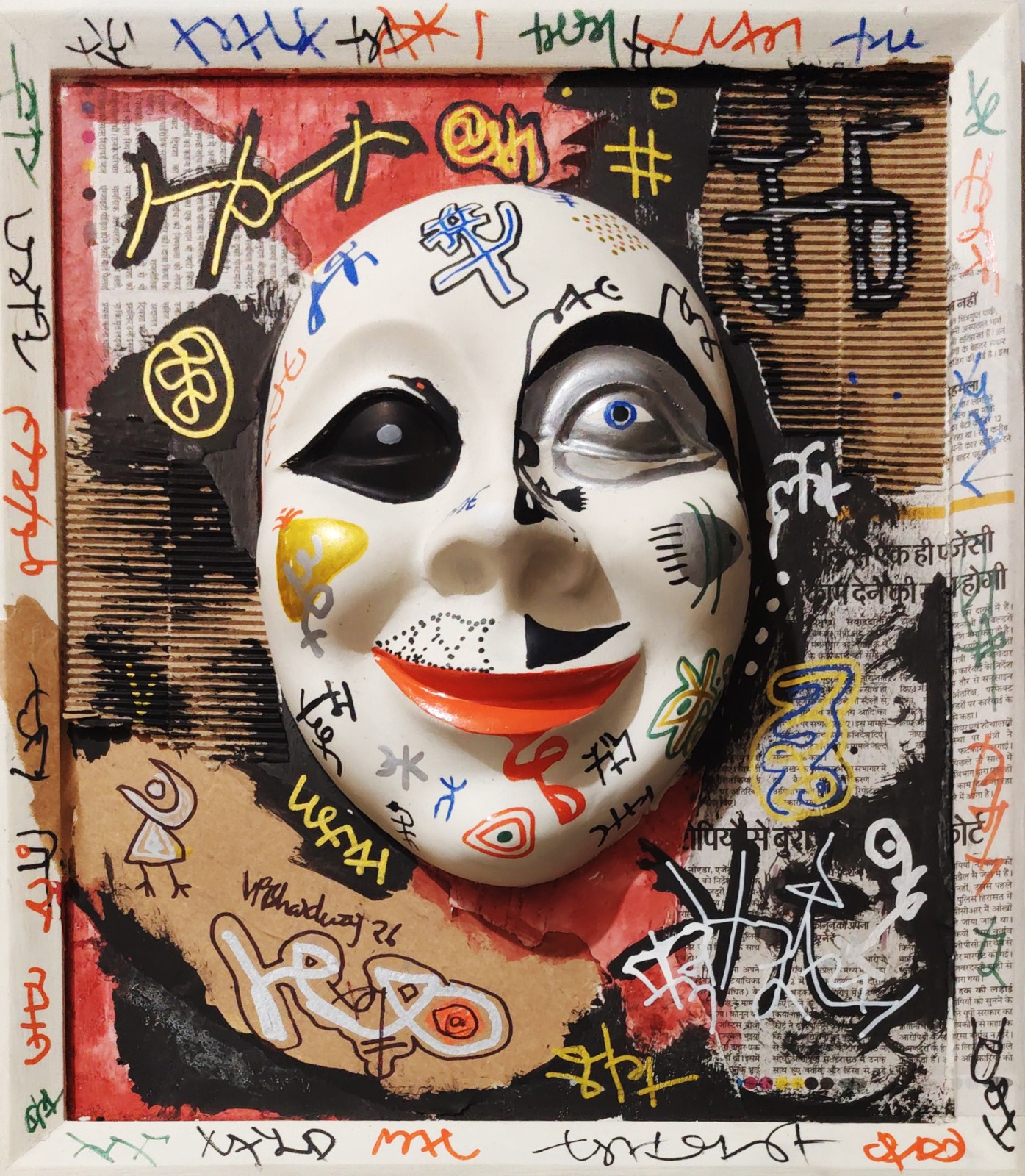

वेद प्रकाश भारद्वाज की एक रचना।
पिछले दिनों कुछ कलाकार मित्रों से चर्चा हो रही थी तो उनमें से कुछ ने कहा कि हिंदी में कला आलोचना अब कहीं नहीं है। उनका कहना काफी हद तक सही है पर क्या अंग्रेजी में कला आलोचना है, यह भी सवाल किया जाना चाहिए, और सबसे बड़ा सवाल की क्या आज किसी को कला आलोचना की जरूरत है। क्या कोई कलाकार चाहता है कि उनकी कला की आलोचना हो?
आलोचना का अर्थ केवल कमियां दिखाना या किसी को खारिज करना नहीं होता। आलोचना का अर्थ है कि किसी भी रचना का सम्यक विश्लेषण जिसमें उसकी रचनात्मक विशेषताओं, उसकी सामयिकता, उसकी संदर्भिता, उसके अर्थ आदि का विवेचन हो। अंग्रेजी में इस क्षेत्र में काफी काम हुआ, पर अब भी ऐसा होता है, यह दिखाई नहीं देता।
In recent days, I was discussing with some artist friends, and a few of them said that art criticism in Hindi has virtually disappeared. To a large extent, they are right. But one should also ask whether art criticism still exists in English either. And the bigger question is: does anyone today really need art criticism? Does any artist actually want their art to be critically examined?
Criticism does not merely mean pointing out flaws or rejecting someone’s work. Criticism means a balanced and thoughtful analysis of a work of art — discussing its creative qualities, its relevance to its time, its contextual significance, its meanings, and so on. A great deal of work was once done in this field in English, but it no longer seems very visible today.

दिलीप शर्मा की एक रचना।
वर्तमान में कला पत्रकारिता के जो वैश्विक पटल हैं, उनमें ज्यादातर ऑनलाइन पत्रिकाएं हैं। उन्हें पढ़ें तो हम पाते हैं कि उनमें से ज्यादातर में कलाकारों का जीवन परिचय ही अधिक होता है। आलोचनात्मक लेखन बहुत कम होता है। कई बार किसी विषय पर व्याख्यान जैसा कुछ मिल जाता है पर उसमें भी परिचयात्मक लेखन का भाव ही प्रमुख होता है।
Most of the global platforms for art journalism today are online magazines. If one reads them, one finds that the majority focus more on the artist’s biography. Critical writing is relatively rare. Occasionally one may come across something resembling a lecture on a subject, but even there the dominant tone remains introductory rather than analytical.

विलेम डी कूनिंग की एक रचना।
इसके दो बड़े कारण मुझे समझ में आते हैं। एक तो आजकल कोई भी कलाकार अपने कामों की आलोचना पसंद नहीं करता क्योंकि आलोचना में उसकी कमियां सामने आने का खतरा रहता है जबकि आज कला संस्थानों के विद्यार्थियों तक का मानना होता है कि वह पिकासो से कम नहीं हैं।
I can identify two major reasons for this. First, artists today generally do not like criticism of their work because criticism risks exposing shortcomings, whereas even students in art institutions now often believe they are no less than Picasso.
ज्यादातर कलाकार आज अपनी प्रशंसा में लिखा जाना पसंद करते हैं। पीआर वाली भावना ने कला लेखन को औपचारिक बना दिया है। दूसरा बड़ा कारण कलाकृतियों में कमी है। आज ज्यादातर कलाकारों के काम ऐसे हैं जो कला के पुराने स्थापित मानकों पर खरे नहीं उतरते।
I can identify two major reasons for this. First, artists today generally do not like criticism of their work because criticism risks exposing shortcomings, whereas even students in art institutions now often believe they are no less than Picasso.
समस्या यह है कि नये माध्यमों, या गैर पारंपरिक माध्यमों में काम करते हुए कलाकारों में कला के स्थापित मानकों को दरकिनार कर दिया है, और नए माध्यमों, शैलियों और प्रयोगों को लेकर किसी तरह के मानक व सिद्धांत बन नहीं पाए हैं। पुराने मानकों में देखें तो आज कलाकृति में प्रकाश संयोजन पर बात करना चाहें तो ज्यादातर कलाकारों के कामों में वह दिखाई नहीं देगा। चित्र में नकारात्मक स्पेस अक्सर गायब मिलता है। चित्र में आयाम, उसकी अर्थवत्ता, संदर्भिता जैसी बातें अब कला में कम ही देखने को मिलती है।
I can identify two major reasons for this. First, artists today generally do not like criticism of their work because criticism risks exposing shortcomings, whereas even students in art institutions now often believe they are no less than Picasso.
बाजार और रेटिंग के इस दौर में कलाकार सिर्फ अच्छी रेटिंग चाहता है। इसीलिए वह आलोचना से, और आलोचक से दूर भागता है। वैसे अब देखा जाए तो हिंदी या अंग्रेजी में आलोचक भी नहीं रहे। कुछ अंग्रेजी के लेखक हैं जो भारी-भरकम शब्दावली और तकनीकी शब्दों के प्रयोग से अपना झंड़ा बुलंद किये हुए हैं पर उनके लेखन में भी महिमामंडन और कलाकार के जीवनवृत्त से अधिक कुछ नहीं मिलता है। हिंदी में तो खैर स्थिति पहले भी कोई बहुत अच्छी नहीं था, अब उसकी संभावना भी नहीं रही है। कुछ लेखकों को अपवाद मान सकते हैं पर ज्यादातर तो प्रशस्तीपत्र लिखते हैं। रचना को पढ़ने और खोलने का काम कम ही लेखक करते हैं।
I can identify two major reasons for this. First, artists today generally do not like criticism of their work because criticism risks exposing shortcomings, whereas even students in art institutions now often believe they are no less than Picasso.
-By Dr. Ved Prakash Bhardwaj
Note: Images of art works in this article is just for refrence.
Leave a Reply