By Dr. Ved Prakash Bhardwaj

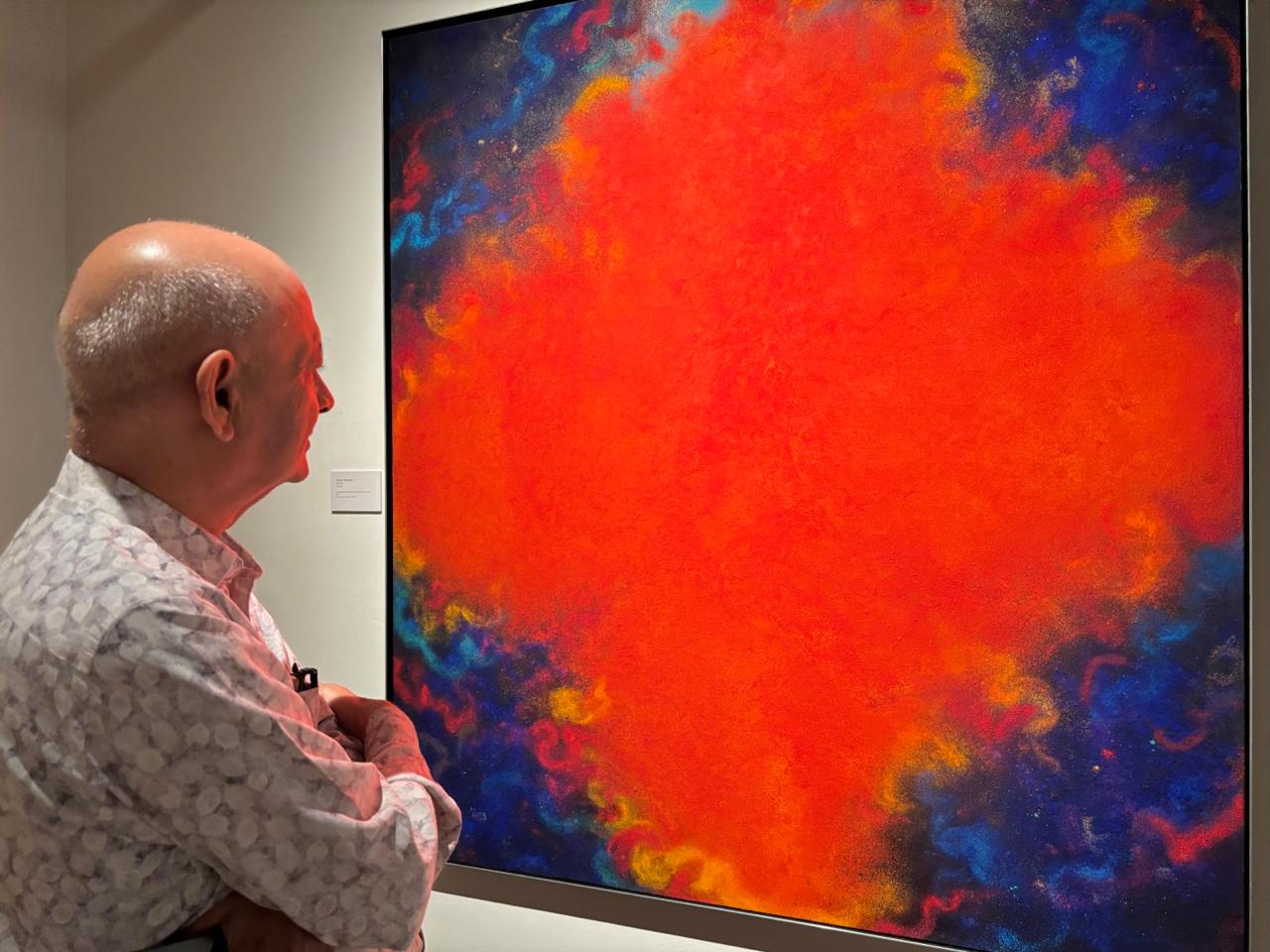
In art, emotion often becomes the central force around which the entire composition evolves. Whether in painting or sculpture, figurative art has consistently emphasised the expression of human feelings and inner states. Artists not only rely on the physical gestures and bodily postures of human figures to convey emotion, but also experiment extensively with the expressive possibilities of colour and composition.
Just as colours such as green, blue, and yellow create distinct sensations in landscape painting, colours in figurative compositions also carry their own psychological and emotional resonance. Colours are never merely decorative elements; they possess symbolic, emotional, and philosophical depth. Through their careful orchestration, artists shape the atmosphere of a work and guide the viewer toward particular emotional experiences.

For the expression of love, artists often employ shades of blue and red, where red evokes passion, intimacy, and vitality, while blue introduces depth, longing, and emotional expansiveness. White, on the other hand, is frequently associated with peace, silence, and stillness. Black conveys mystery, philosophical introspection, and a sense of permanence or gravity. Green becomes the colour of renewal and organic energy, illuminating emotions with freshness and vitality. In this way, colours themselves become carriers of meaning, awakening thoughts and emotions in subtle yet powerful ways.
The impact of an artwork is therefore shaped not only by its subject matter, but also by the emotional architecture created through colour relationships, textures, and forms. A painting may appear quiet, turbulent, meditative, or ecstatic simply through the arrangement of colours and spatial rhythms upon the canvas. The viewer responds not only intellectually but also emotionally and psychologically to these visual elements.

In figurative compositions, the interaction between human forms and abstract forms is equally significant. Human figures represent consciousness, experience, and emotional presence, while abstract elements often symbolise the invisible forces surrounding existence—memory, energy, time, or spiritual states. The relationship between the organic and the abstract reflects the deeper interdependence between the material and the immaterial, between the animate and the inanimate.
Indeed, both the inert and the living depend upon one another. Art reveals this interconnectedness by allowing forms to dissolve into spaces and spaces to acquire emotional presence. Through this synthesis, a work of art transcends mere representation and becomes an exploration of existence itself—where emotion is not simply depicted, but transformed into visual experience.

जहाँ भाव ही रूप बन जाते हैं
कला में भाव अक्सर वह केंद्रीय शक्ति बन जाते हैं, जिसके इर्द-गिर्द पूरी रचना विकसित होती है। आकृतिमूलक कला में, चाहे वह पेंटिंग हो या शिल्प, हम देखते हैं कि कलाकार अपनी रचनाओं में मानवीय संवेदनाओं और आंतरिक मनःस्थितियों की अभिव्यक्ति को विशेष महत्व देते हैं। इसके लिए वे केवल मानव आकृतियों की दैहिक भंगिमाओं और मुद्राओं का सहारा नहीं लेते, बल्कि रंगों, संरचनाओं और संयोजनों के माध्यम से भी भावों को गहनता प्रदान करते हैं।

जिस प्रकार प्रकृति चित्रण में हरा, नीला और पीला रंग अलग-अलग अनुभूतियाँ उत्पन्न करते हैं, उसी प्रकार आकारिक और आकृतिमूलक रचनाओं में भी प्रत्येक रंग का अपना मनोवैज्ञानिक और भावात्मक प्रभाव होता है। रंग केवल सजावटी तत्व नहीं होते; वे अपने भीतर प्रतीकात्मक, संवेदनात्मक और दार्शनिक अर्थ समेटे रहते हैं। कलाकार रंगों के संयोजन के माध्यम से रचना का वातावरण निर्मित करता है और दर्शक को एक विशिष्ट भावानुभूति की ओर ले जाता है।
प्रेम की अभिव्यक्ति के लिए कलाकार प्रायः नीले और लाल रंग का प्रयोग करते हैं। लाल रंग जहाँ आवेग, ऊर्जा और अंतरंगता का बोध कराता है, वहीं नीला रंग गहराई, विस्तार और भावनात्मक आत्मीयता को व्यक्त करता है। सफेद रंग शांति, मौन और स्थिरता का प्रतीक माना जाता है। काला रंग रहस्य, दार्शनिक चिंतन और गंभीरता का भाव उत्पन्न करता है, जबकि हरा रंग नवजीवन, ताजगी और नई ऊर्जा का संचार करता है। इस प्रकार रंग स्वयं अर्थ और भाव के वाहक बन जाते हैं तथा दर्शक के भीतर विचारों और संवेदनाओं को अलग-अलग स्तरों पर जागृत करते हैं।

किसी कलाकृति का प्रभाव केवल उसके विषय से निर्मित नहीं होता, बल्कि रंगों, बनावटों, रूपों और उनके पारस्परिक संबंधों से निर्मित भावात्मक संरचना से भी उत्पन्न होता है। केवल रंगों और आकृतियों के संयोजन से ही कोई चित्र शांत, उग्र, ध्यानमग्न या उत्सवधर्मी प्रतीत हो सकता है। दर्शक केवल बौद्धिक स्तर पर ही नहीं, बल्कि मनोवैज्ञानिक और भावनात्मक स्तर पर भी इन दृश्य तत्वों से प्रभावित होता है।
आकृतिमूलक रचनाओं में मानव आकृतियों और अमूर्त आकारों के बीच का संबंध भी अत्यंत महत्वपूर्ण होता है। मानव आकृतियाँ चेतना, अनुभव और संवेदनात्मक उपस्थिति का प्रतिनिधित्व करती हैं, जबकि अमूर्त तत्व अस्तित्व के उन अदृश्य आयामों की ओर संकेत करते हैं जो स्मृति, ऊर्जा, समय और आध्यात्मिक अनुभूतियों से जुड़े होते हैं। जैविक और अमूर्त रूपों के बीच का यह संवाद वस्तुतः जड़ और चेतन, दृश्य और अदृश्य, भौतिक और आध्यात्मिक के पारस्परिक संबंध को प्रकट करता है।
दरअसल, जड़ और चेतन दोनों एक-दूसरे पर आश्रित हैं। कला इसी अंतर्संबंध को उजागर करती है, जहाँ रूप धीरे-धीरे रिक्ति में विलीन होते हैं और रिक्ति स्वयं भावात्मक उपस्थिति ग्रहण कर लेती है। इस समन्वय के माध्यम से कलाकृति केवल दृश्य प्रतिनिधित्व भर नहीं रह जाती, बल्कि अस्तित्व की गहन अनुभूति में रूपांतरित हो जाती है—जहाँ भाव केवल व्यक्त नहीं होते, बल्कि स्वयं दृश्य अनुभव का रूप धारण कर लेते हैं। यह दृश्य अनुभव मानसिक होगा, चाक्षुष नहीं, पर इसका होना जीवन के लिए सबसे अधिक महत्व रखता है।
Leave a Reply