By Ved Prakash Bhardwaj
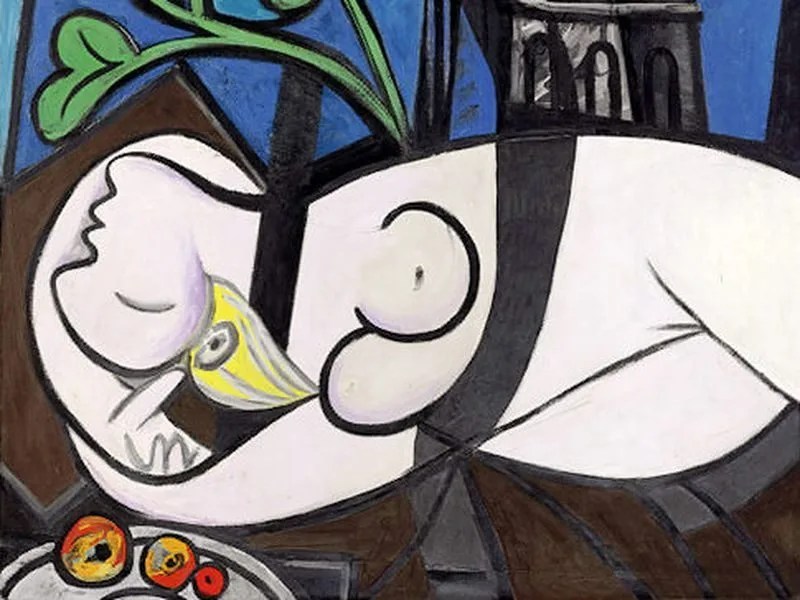
The twentieth century witnessed the emergence of numerous remarkable artists who expanded the boundaries of art in unprecedented ways. Among the many contemporaries and successors of Pablo Picasso whom we continue to remember today, Picasso still stands out as perhaps the most significant and enduringly relevant. The reasons for this distinction have long invited critical reflection. Despite controversies surrounding his personal life—particularly his treatment of fellow artists and his views on women—his stature as an artist has remained largely unaffected.
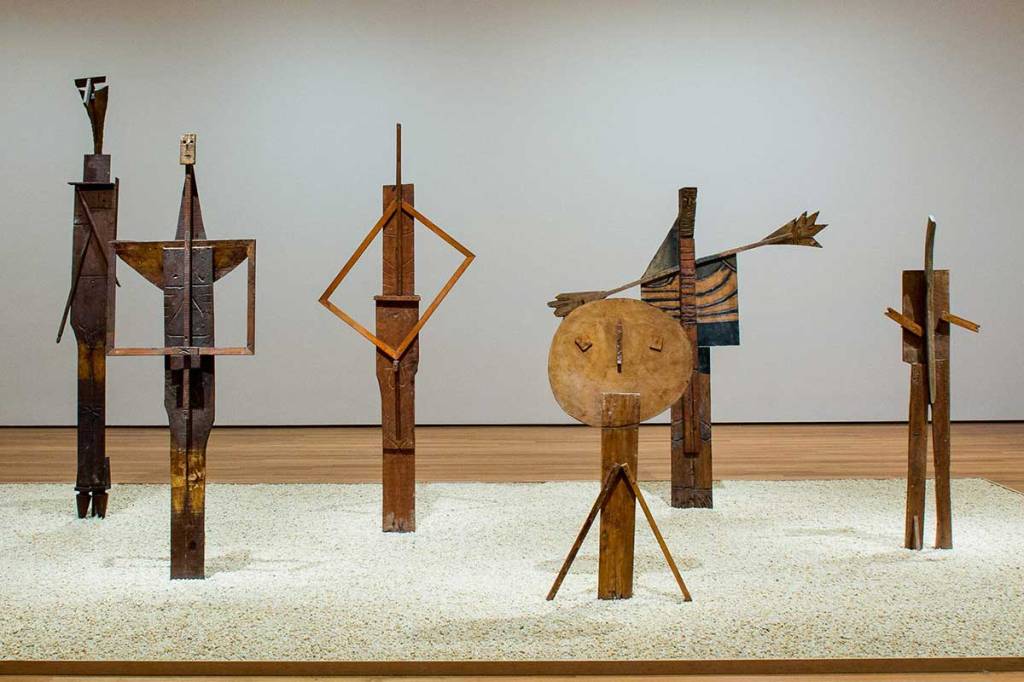
In 2023, as the world commemorated the fiftieth anniversary of Picasso’s death, exhibitions and scholarly discussions across the globe reignited debates about his continued relevance. The Picasso Museum Málaga also organised an exhibition titled “Picasso Sculptor: Matter and Body”, showcasing his sculptures of the human form. Málaga, notably, is Picasso’s birthplace.
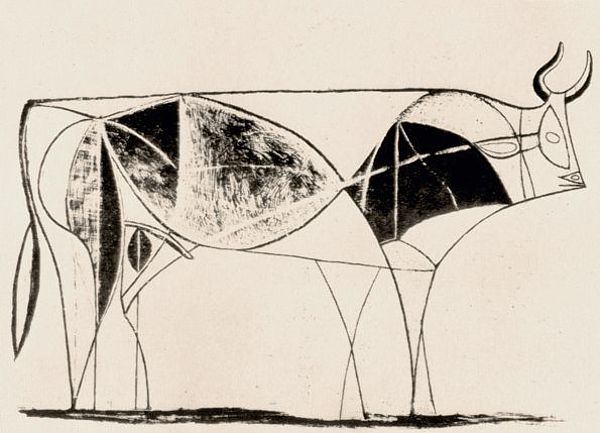
Although Picasso is best known for his paintings, he is widely recognised as a leading figure in the development of Cubism. His monumental work Guernica remains one of the most powerful artistic statements against war and violence. Similarly, his image of the peace dove has become an enduring symbol of hope. His inventive sculpture of a bull, assembled from the seat and handlebars of a bicycle, exemplifies his ability to transform everyday objects into profound artistic expressions. Such innovations continue to sustain his relevance today.
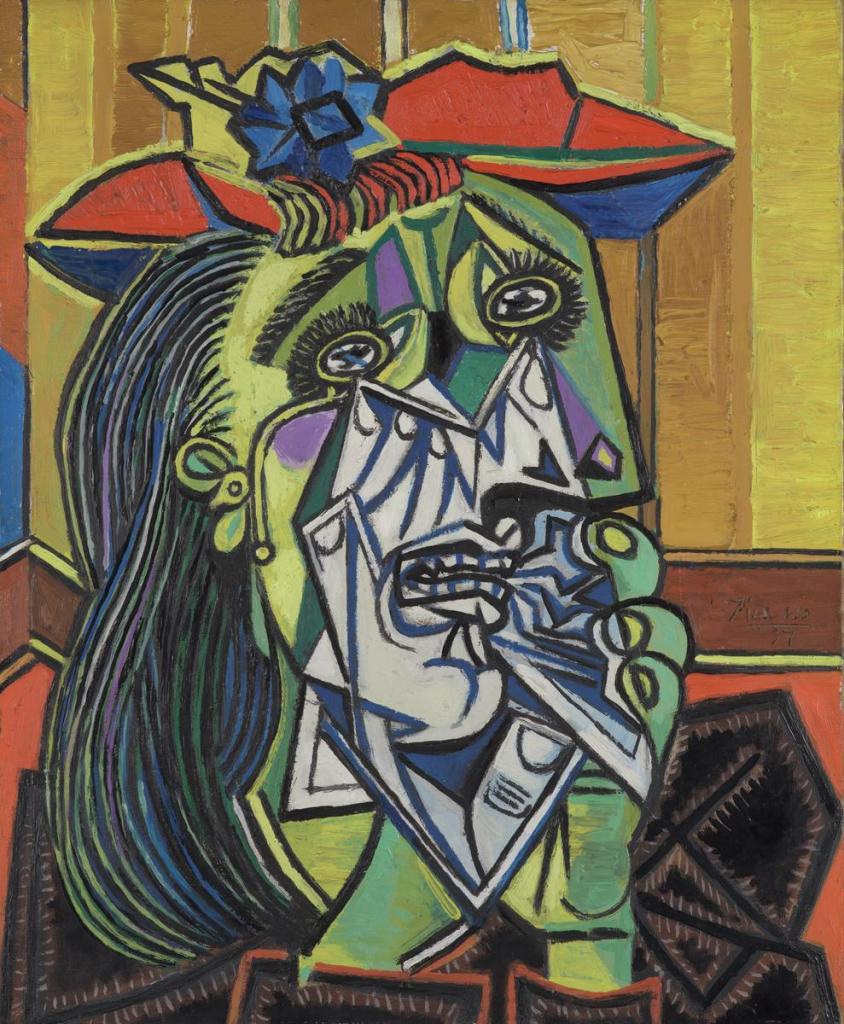
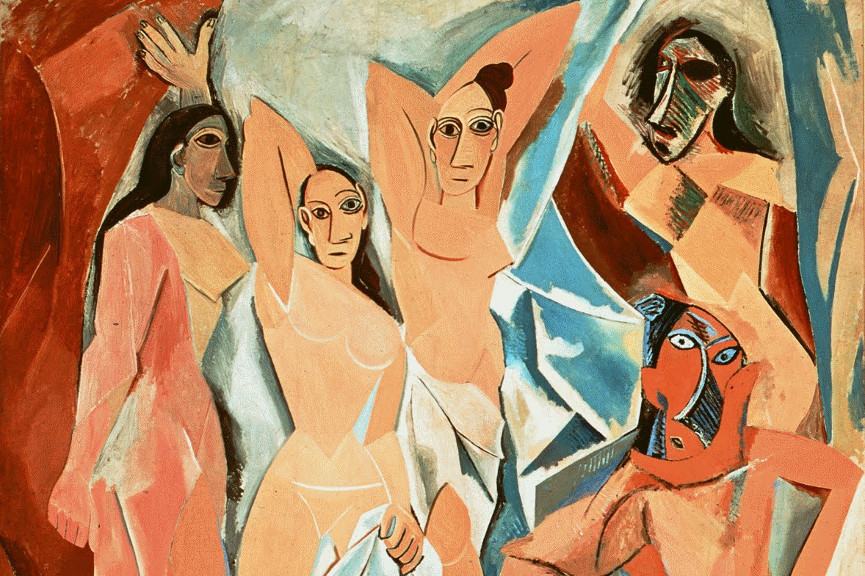
Picasso’s artistic practice was not confined to painting alone. He worked extensively in graphics, sculpture, and other media, much like several of his contemporaries. He famously remarked, “Good artists borrow; great artists steal,” reflecting his openness to influence. In developing Cubism, he drew heavily from his collaboration with Georges Braque and was influenced by the ideas of Paul Cézanne. He also incorporated elements from African art and craft traditions. Picasso openly acknowledged these influences and frequently collaborated with other artists. For instance, in his sculptural work, he partnered with Julio González to develop innovative iron constructions.
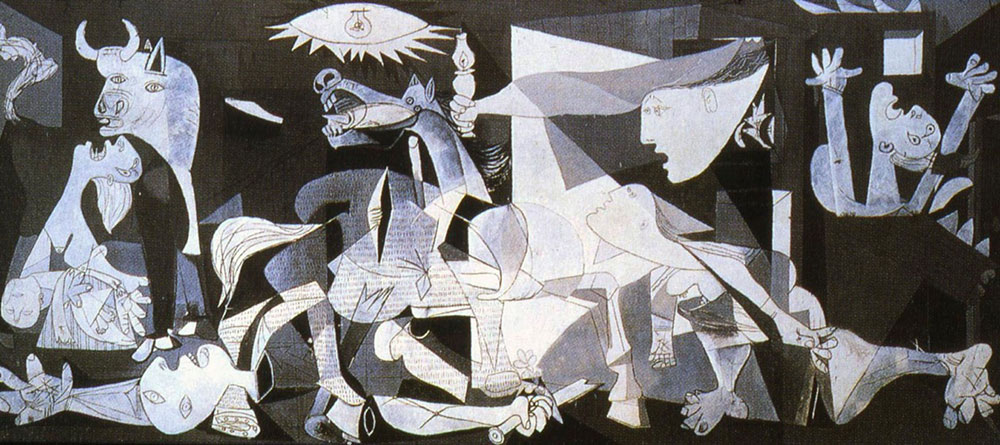
While many artists of the period experimented across multiple media—such as Joan Miró, who worked in both painting and sculpture—Picasso distinguished himself by treating sculpture as a central aspect of his artistic practice rather than a secondary pursuit. He did not approach sculpture sporadically; instead, he pursued it with the same intensity and inventiveness as his painting, producing works that would profoundly influence future generations.
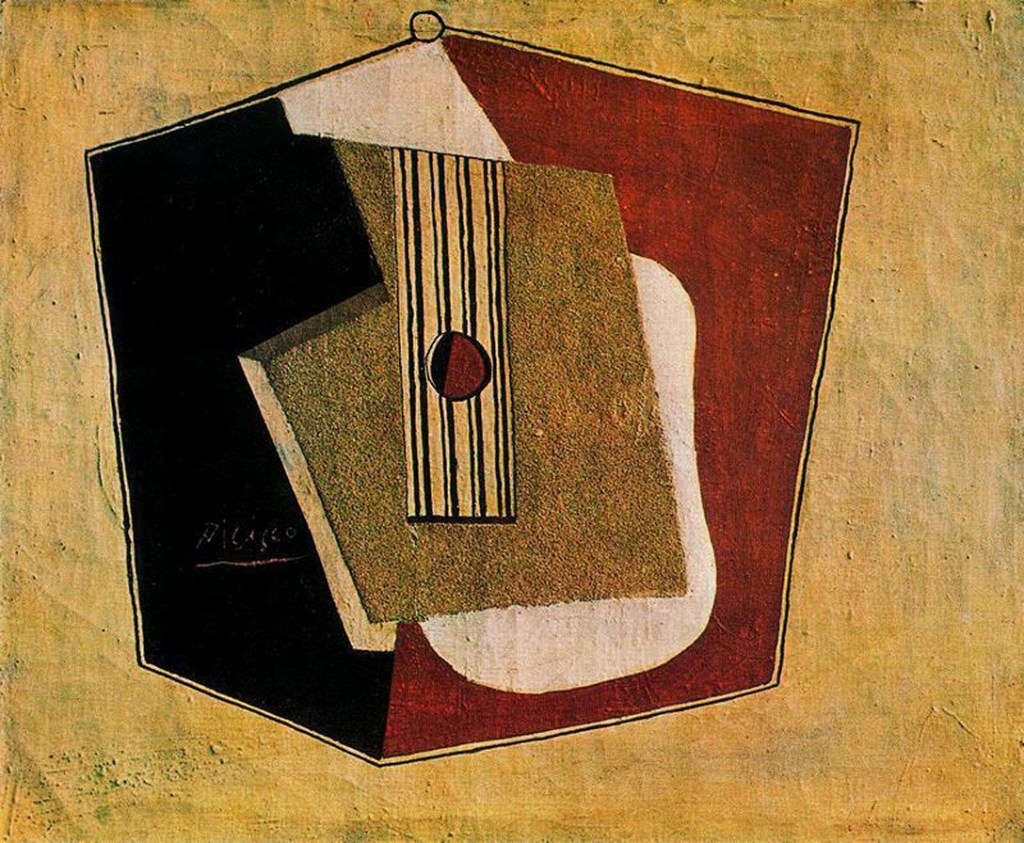
Although there have been many great sculptors before and after Picasso, few have demonstrated such a consistently experimental approach. Indeed, Picasso’s sculptural practice often involved even greater innovation than his painting. As early as 1912, he began working with unconventional materials such as cardboard and wire. Around the same time, Marcel Duchamp introduced the concept of the readymade, and Picasso responded with works like his bicycle-based bull sculpture—an assemblage that can also be seen as an early precursor to installation art.
Picasso’s engagement with sculpture dates back to 1909, with works such as Woman’s Head in bronze. One of his most groundbreaking pieces, Maquette for Guitar (1912), redefined sculpture as an assemblage of open, planar forms resembling architectural construction. Made from cardboard, paper, string, and wire, this work represents one of the earliest examples of three-dimensional collage. It translates Cubist principles—multiple perspectives and geometric abstraction—into spatial form, blurring the boundaries between mass and void, as well as between high art and everyday materials. In 1914, Picasso recreated this work in sheet metal, enhancing its durability.
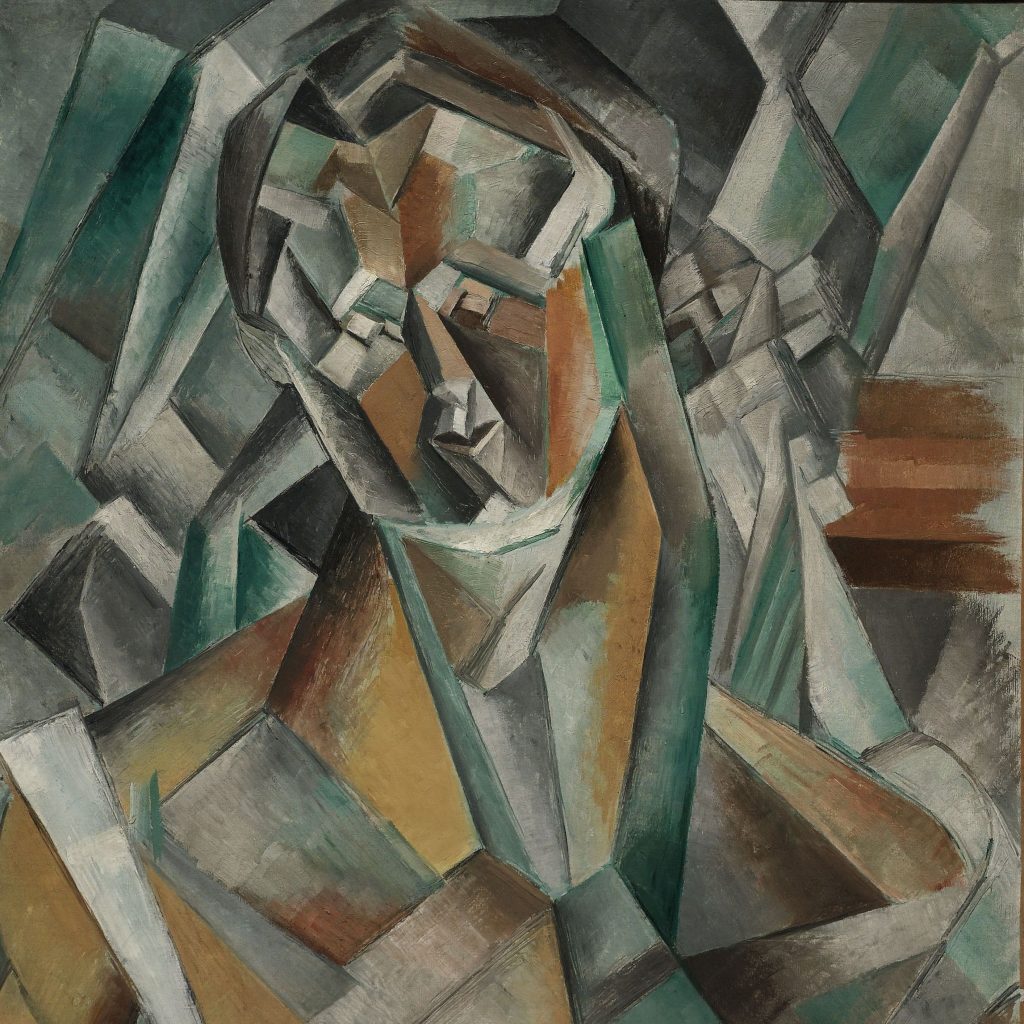
During this period, Picasso was gaining recognition for his analytical Cubist paintings, yet his sculptures—such as Woman’s Head and Maquette for Guitar—demonstrate that his explorations in painting and sculpture were deeply interconnected. The guitar motif, for instance, appears in both media, underscoring the unity of his artistic vision. Picasso worked with a wide range of materials, consistently prioritising expression over medium. Later, he cast many of his earlier works in bronze and explored additional materials such as cement and ceramics.
In collaboration with Julio González, Picasso pioneered iron sculpture, employing techniques of bending and welding metal rods. These works, once described by critics as “drawings in space”, opened new possibilities for sculptural expression. Picasso also translated many of his drawings and paintings into three-dimensional forms, a practice that went on to inspire countless artists.
 Art News India
Leave a comment