Abstract paintings by Bipin Kumar
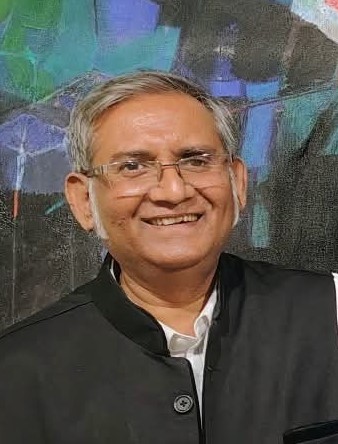
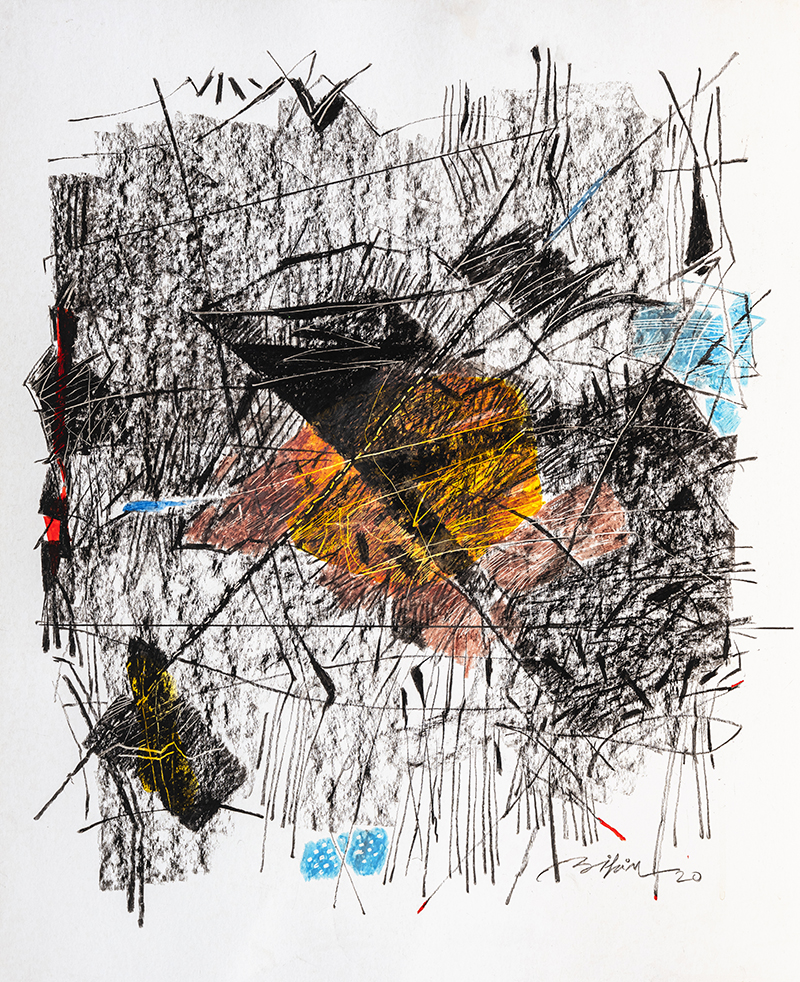
Fantasy, as a dimension of art, transforms even a still image into a dynamic experience—it becomes a new way of seeing life. Life itself is unpredictable, revealing itself in many forms, both clear and abstract. In Bipin Kumar’s paintings, static lines resonate with a sense of living movement, capturing life in its many dimensions—often subtle and unspoken, yet carrying an inherent voice within silence. His artistic journey explores unknown dimensions of life within the known world, reimagining the human condition as both calm and mysteriously restless.
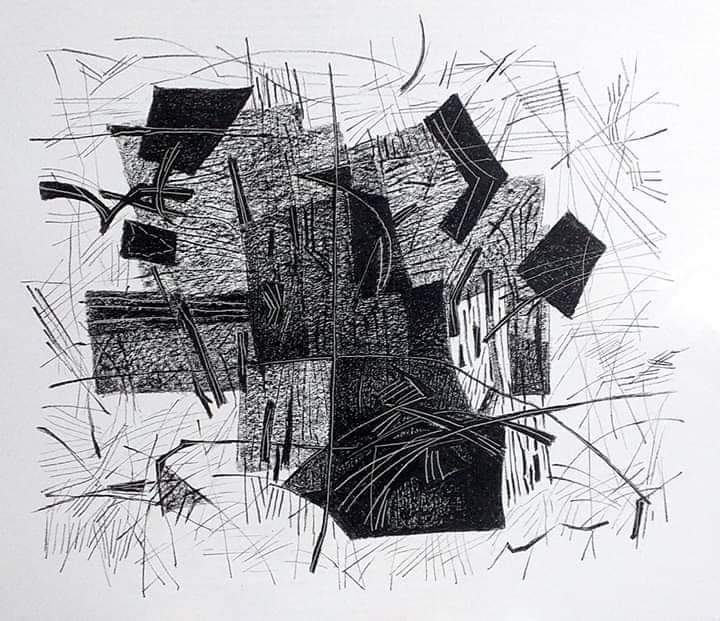
He does not depict reality as it appears but as it is felt through imagination—where fixed identities dissolve and only emotional essence remains. Since emotions have no permanent form, they shift with context and experience. This is why no single, static form—abstract or otherwise—dominates his work. Even when geometric shapes appear, they are not rigidly bound; instead, they seem liberated, as though shaped by imagination itself.
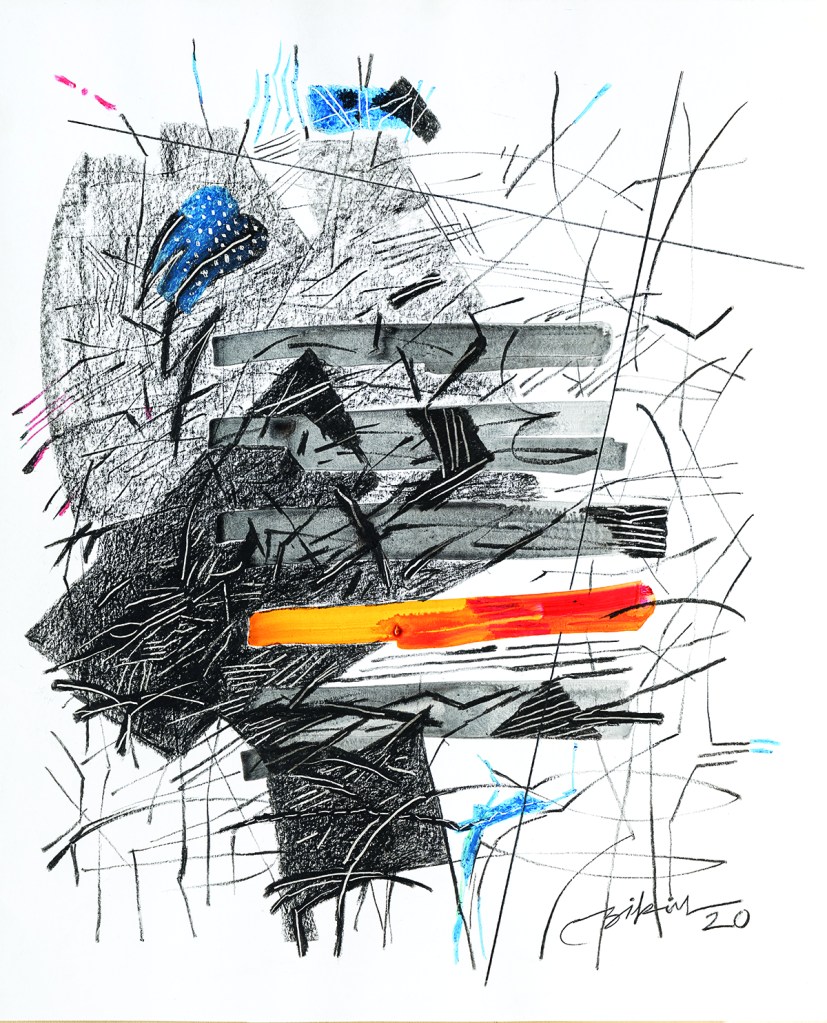
In his early watercolours, Bipin emphasised suggestion over precision, inviting viewers into a multi-coloured imaginative space. What began as a narrow path has evolved into an expansive visual journey. Today, the viewer stands before an open horizon, free to interpret and engage. From this openness emerges abstraction—not merely as a style, but as the core of his expression.
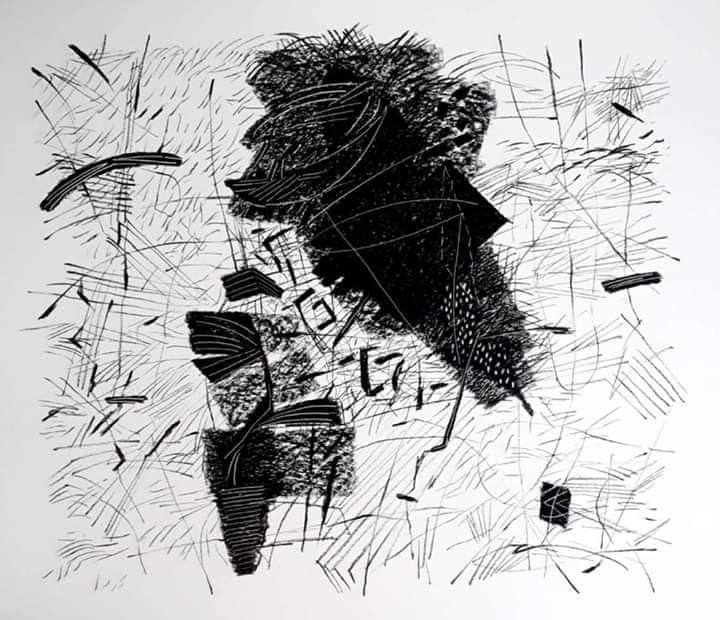
This essence—of life, emotion, thought, and form—is both the starting point and the destination of his art. Viewers may begin with familiar visual cues or immerse themselves directly in unfamiliar forms, constructing meaning through personal experience.
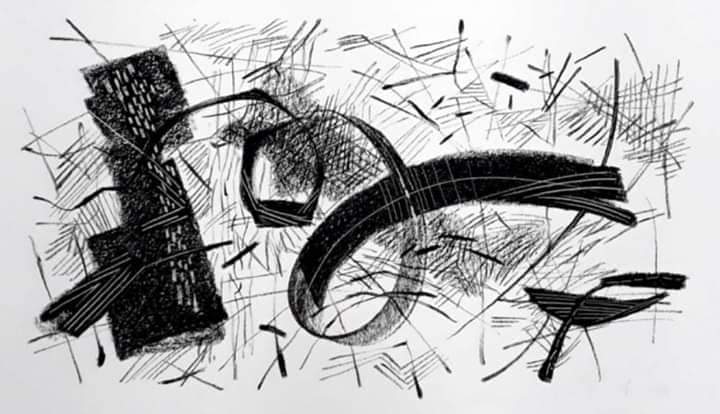
On his canvas, recognisable forms dissolve into a sense of infinity. Yet, because human perception depends on form, Bipin suggests structure through constellations of lines and divisions of colour. His work exists at the threshold between the known and the unknown, offering a space where the artist pauses and the viewer continues the act of creation.
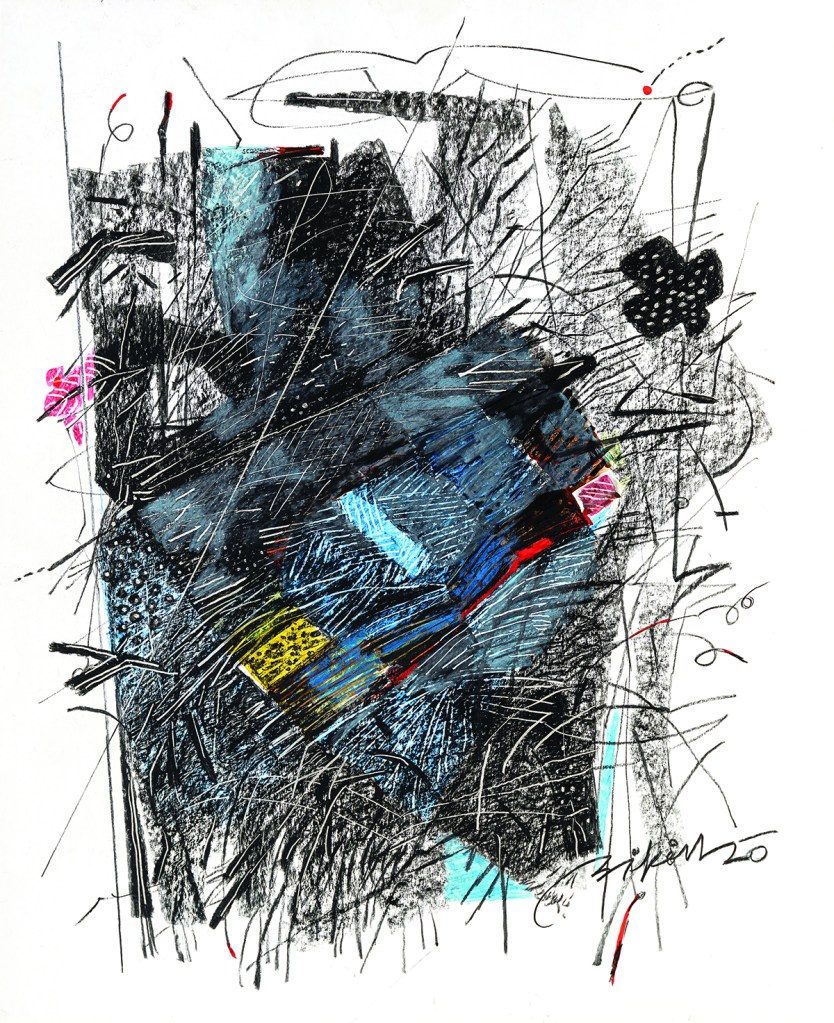
Each painting becomes a vast sea of imagination, revealing deeper meanings with every engagement. Just as human perception evolves over time, so too do interpretations of his work. Colour, though physically static, becomes fluid and alive through perception, intensifying the emotional resonance of the piece.
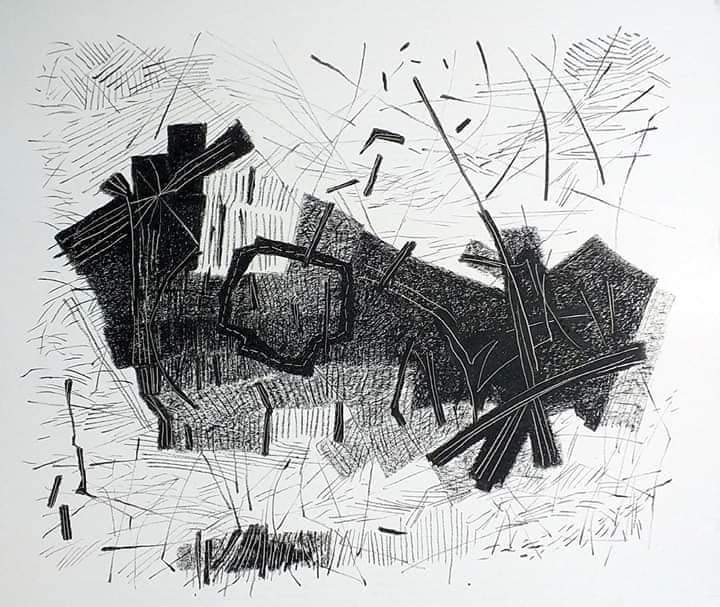
A striking feature of his work is the interaction between line and colour. They seem to embrace, converse, and, at times, conflict. This tension reflects the complexities of human existence—between familiarity and alienation, knowledge and uncertainty, belonging and survival. From this dynamic interplay, forms emerge that echo fragments of recognisable reality.
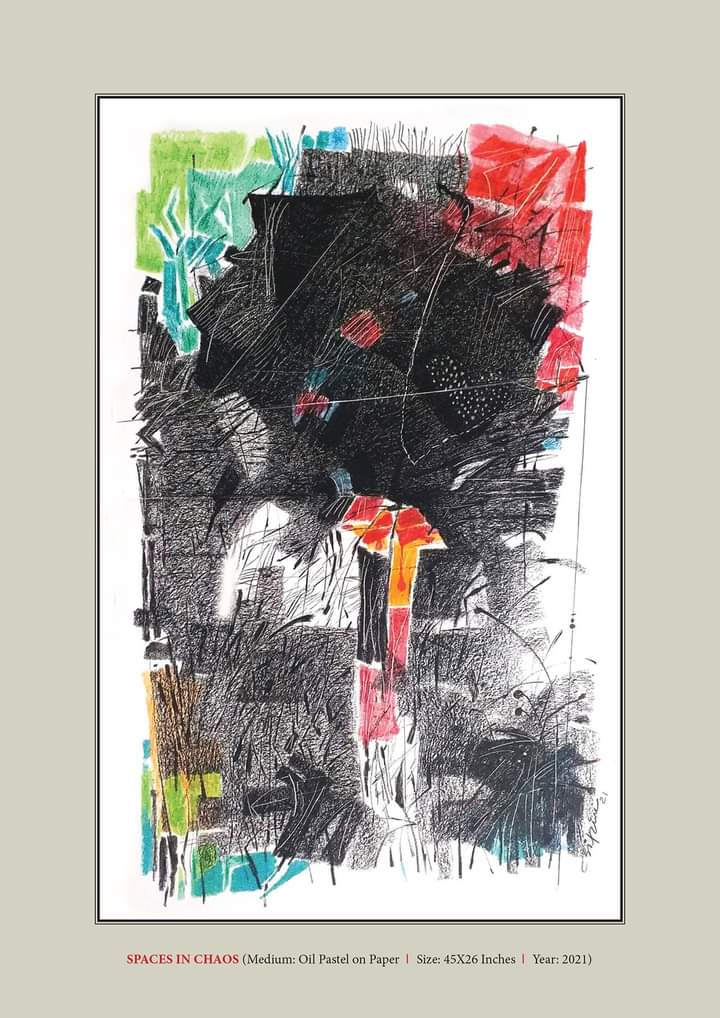
Through layered compositions, colours merge, resist, or disperse, creating a balance between geometric order and organic spontaneity. Lines move, intersect, and collide, mirroring the restless flow of thought and emotion. In dissolving fixed identities, they generate new ones—formed not by external definition, but by the inner world of the viewer.
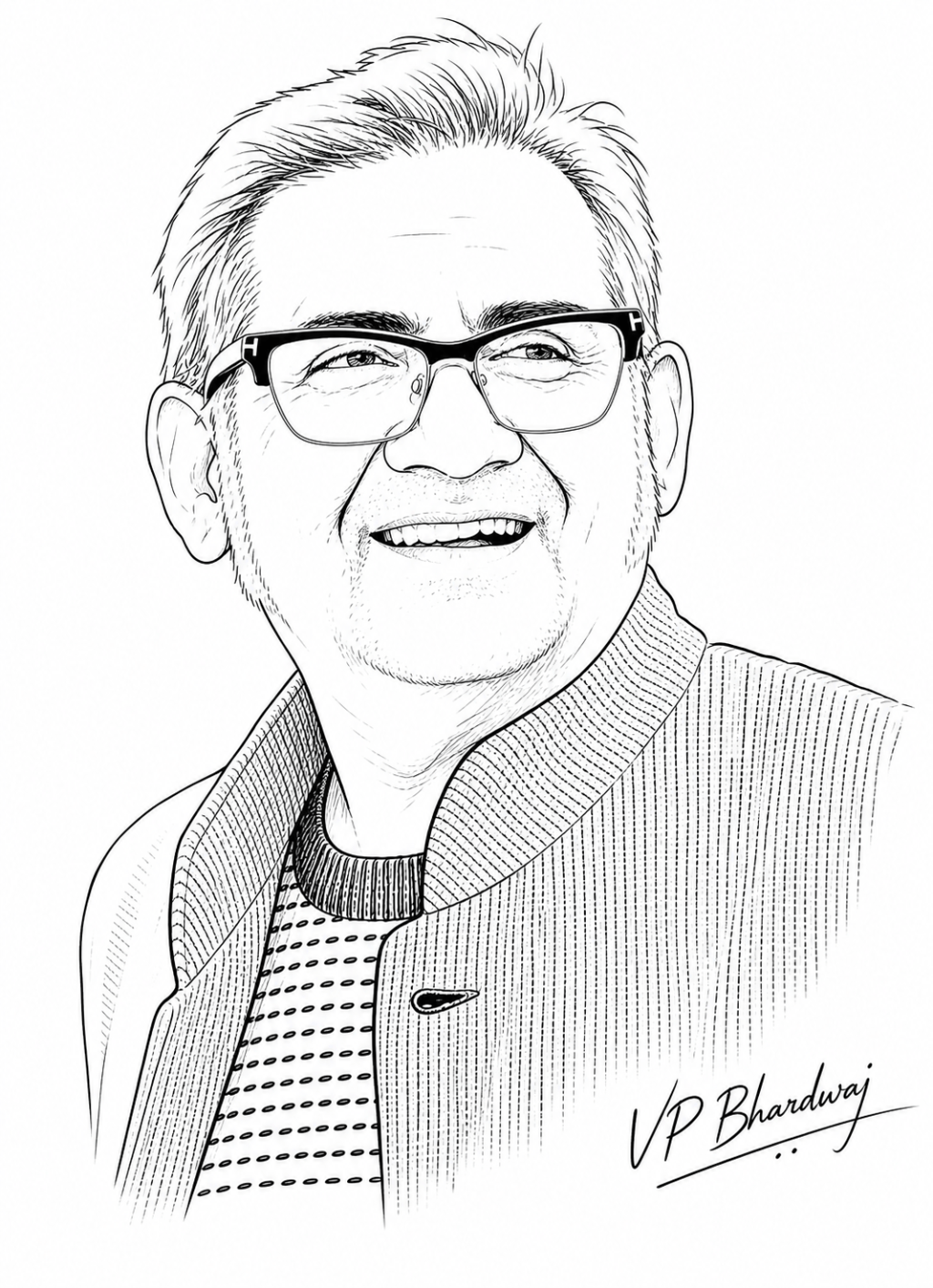
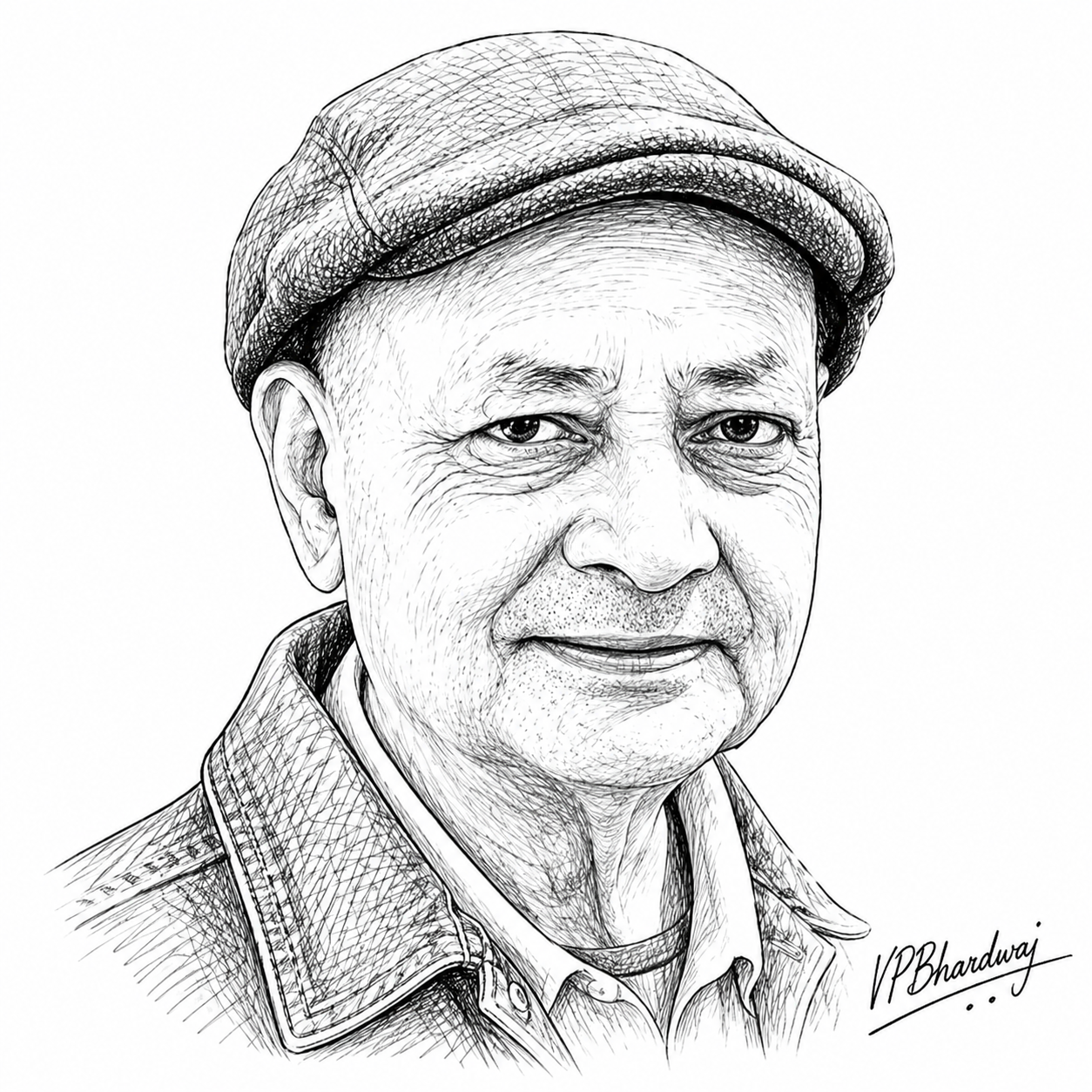 -By Dr Ved Prakash Bhardwaj
 Art News India
Leave a comment